
"from Ethiopia"
20000 article(s) found

An introduction to the characteristics of the legends of coffee beans in Ethiopia
Ethiopia Ethiopia in 800 AD, the first Arabica coffee tree grew in Ethiopia's East African Rift Valley. More than 1200 years later, some of the world's unique and rare curry beans still originated in Ethiopia. There is a traditional Isopia proverb that goes like this: Buna dabo naw means: coffee is our bread. For Ethiopia, coffee
Exquisite Ethiopian coffee beans Starbucks Ethiopian coffee
Ethiopia has unique natural conditions suitable for growing all imaginable varieties of coffee. As a upland crop, Ethiopian coffee beans are mainly grown in areas between 1100 and 2300 meters above sea level, roughly distributed in southern Ethiopia. Deep soil, well drained soil, weakly acidic soil, laterite and soil are soft and contain
World famous Coffee Tour: Harald Moka, Ethiopia (part I)
[product name]: Ethiopia Harald Mocha (Ethiopia Harar Mokha) [quality rating]: DP Grade 4 [baking]: recommended moderate baking (Medium Roast or City Roast) [grade]: excellent [granule]: ★ full [acidity]: ★★★★ slightly sour, dark chocolate aftertaste [balance]: ★★★★ is very stable

Ethiopia pays attention to China to improve the overall value chain of its own coffee
Professional coffee knowledge exchange more coffee bean information please follow the coffee workshop (Wechat official account cafe_style) [Global Times reporter Zhao Jueyi] from the old coffee chain Starbucks to the industry upstart Ruixing, and even some convenience stores have put up signs of selected Arabica coffee at the door to promote the quality of their own coffee. As we all know, coffee varieties such as Arabica originated in East Africa.

Ethiopian coffee flavor Ethiopian coffee characteristics Ethiopian coffee taste
Ethiopia has unique natural conditions suitable for growing all imaginable varieties of coffee. As a upland crop, Ethiopian coffee beans are mainly grown in areas between 1100 and 2300 meters above sea level, roughly distributed in southern Ethiopia. Deep soil, well drained soil, weakly acidic soil, laterite and soil are soft and contain

Introduction to the flavor and taste of Ethiopian coffee beans grade classification of Ethiopian Sidamo coffee beans
Ethiopia has unique natural conditions suitable for growing all imaginable varieties of coffee. As a upland crop, Ethiopian coffee beans are mainly grown in areas between 1100 and 2300 meters above sea level, roughly distributed in southern Ethiopia. Deep soil, row
An introduction to the origin of coffee beans introduced into the Arabian Peninsula from Ethiopia
Professional baristas Please follow the Coffee Workshop (official Wechat account cafe_style) there were all kinds of events before coffee spread to the world. At first, coffee was enjoyed in a completely different way from the coffee we are drinking now. Let's take a look at the origin and popularity of Arabian coffee. Enjoy Bonn in Ethiopia. Ethiopia is considered coffee.
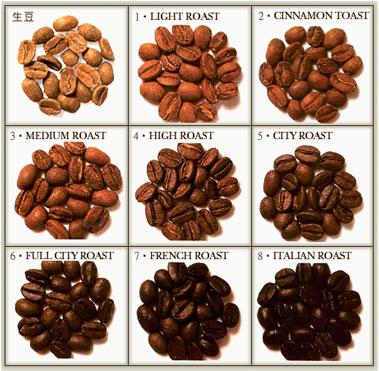
Natural fermented Ethiopian coffee flavor, characteristics, taste and estate
Ethiopia is blessed with natural conditions for growing all conceivable varieties of coffee. Ethiopia's coffee beans are mainly grown as highland crops in areas with altitudes of 1100-2300 meters above sea level, roughly distributed in southern Ethiopia. Deep soil, well-drained soil, weakly acidic soil, laterite and soft soil containing

Taste characteristics of fermented natural sun-cured Ethiopian coffee varieties introduction to the flavor of fine coffee beans in the manor
Ethiopia has unique natural conditions suitable for growing all imaginable varieties of coffee. As a upland crop, Ethiopian coffee beans are mainly grown in areas between 1100 and 2300 meters above sea level, roughly distributed in southern Ethiopia. Deep soil, well drained soil, weakly acidic soil, laterite and soil are soft and contain

Where does tomoca coffee come from in Ethiopia? what is the characteristic flavor of tomoca coffee?
Professional coffee knowledge exchange more coffee bean information please follow the footsteps of coffee workshop (Wechat official account cafe_style) set foot in Africa for the first time, to Ethiopia! When it comes to Ethiopia, most people's first impressions are famine. But in fact, the last great famine was 30 years ago, and now Ethiopia, the problem of famine has not been taken seriously.
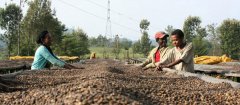
Flavor, characteristics, taste and manor introduction of naturally fermented Ethiopian coffee
Ethiopia has unique natural conditions suitable for growing all imaginable varieties of coffee. As a upland crop, Ethiopian coffee beans are mainly grown in areas between 1100 and 2300 meters above sea level, roughly distributed in southern Ethiopia. Deep soil, well drained soil, weakly acidic soil, laterite and soil are soft and contain

Variety introduction of taste treatment method for manor flavor description in Sidamo coffee producing area of Ethiopia
Variety introduction Coffee is the most important export cash crop of Ethiopia and the main source of foreign exchange income of Ethiopia. Ethiopia's coffee exports account for about 3% of the world market, making it the eighth largest coffee exporter in the world. Coffee exports increased steadily from 58000 tons in 1990 to 1995-1996.

Introduction of coffee beans from Youku Cooperative in Lim, Ethiopia. What are the characteristics of Lim Coffee?
Professional coffee knowledge exchange more coffee bean information please follow Coffee Workshop (Wechat official account cafe_style) Lim Youku Cooperative # 11 Limu Yokro Cooperative # 11 country Home: Ethiopia Ethiopia production area: Gima Gila Jimma Gera etc.: Grade 1 treatment method: washing method Washed Process category: Ethiopia

Ethiopia Coffee Estate Summer Village Garden Story-Go back to Ethiopia to find the source of summer
Before meeting Willem Boot, owner of La Mula in Panama, Adam Overton had only a vague dream of buying a farm in Ethiopia to grow the world's most delicious coffee, Geisha. Why Ethiopia? Because it's said that Ethiopia
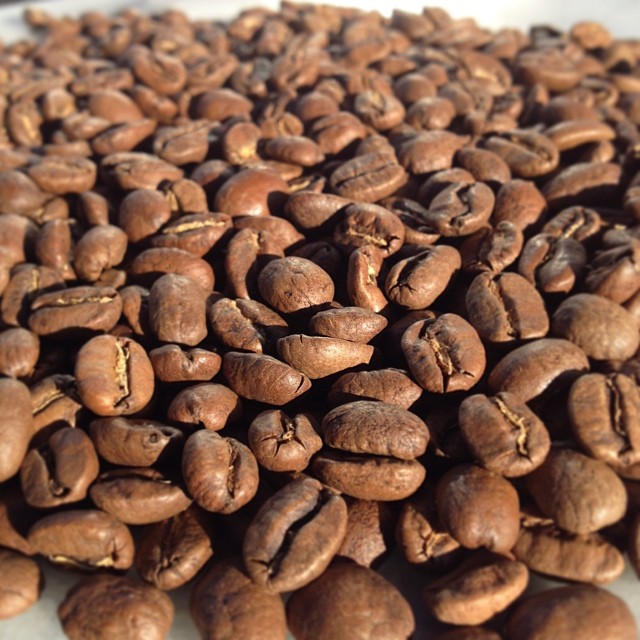
Natural fermentation and Solar Ethiopian Coffee Flavor, characteristics, texture and Manor introduction
Ethiopia has unique natural conditions suitable for growing all imaginable varieties of coffee. As a upland crop, Ethiopian coffee beans are mainly grown in areas between 1100 and 2300 meters above sea level, roughly distributed in southern Ethiopia. Deep soil, well drained soil, weakly acidic soil, laterite and soil are soft and contain

Natural fermented and mellow Ethiopian coffee flavor, characteristics, taste and manor introduction
Ethiopia has unique natural conditions suitable for growing all imaginable varieties of coffee. As a upland crop, Ethiopian coffee beans are mainly grown in areas between 1100 and 2300 meters above sea level, roughly distributed in southern Ethiopia. Deep soil, well drained soil, weakly acidic soil, laterite and soil are soft and contain
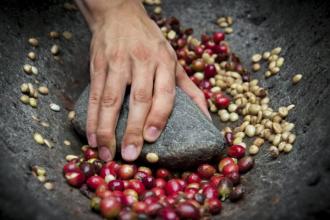
With unique natural conditions, Ethiopian coffee flavor, characteristics, taste and manor introduction
Ethiopia has unique natural conditions suitable for growing all imaginable varieties of coffee. As a upland crop, Ethiopian coffee beans are mainly grown in areas between 1100 and 2300 meters above sea level, roughly distributed in southern Ethiopia. Deep soil, well drained soil, weakly acidic soil, laterite and soil are soft and contain

General situation of Coffee Bean Brands in Ethiopian Market what kind of coffee beans to buy in Ethiopia
For more information on coffee beans, please follow Coffee Workshop (Wechat official account cafe_style) Ethiopia is a landlocked country in northeast Africa located in the Horn of Africa, bordered by Eritrea (Eritrea) to the north, Djibouti (Djibouti) and Somalia to the east, Sudan and South Sudan to the west, and Kenya to the south. Ethiopia has a population of over 90 million.

Coffee flavor and taste in Shaquiso, Ethiopia. Boutique coffee bean estate
Ethiopia is an ancient country with a history of 3000 years of civilization. The Hamite people who immigrated from the southern Arabian Peninsula were the earliest inhabitants. Monlinique I reigned in 975 BC. The Kingdom of Nubia was established in the 8th century BC. From the 1st century to 976 AD, the Ethiopian Empire, also known as the Kingdom of Aksum, was established in Aksum in the north. Christianity was introduced into Ethiopia in the 4th and 5th centuries.

Introduction of boutique coffee producing areas in Ethiopia: Bancimaji producing areas in Ethiopia
Professional coffee knowledge exchange more coffee bean information please follow the coffee workshop (Wechat official account cafe_style) [Ethiopia Sunshine] from Ethiopia Banqi Magi producing area (Ethiopia Bench Maji), located in southwest Ethiopia, is one of the two major primeval forest coffee (Forest coffee) in China, accounting for about 510% of production. The planting of coffee trees in the virgin forest